Algae CO2 Capture Solutions for a Sustainable Future
A renewable resource for today and tomorrow

PHYCO2 was formed to capture CO2 and produce algae.
PHYCO2 designed a proprietary algae photo bioreactor (PBR) to produce high quality algae.
Our goal is to achieve a scalable, cost effective and low contamination of algae. The original PBR is patented. (with US Patents and pending foreign patents)
The scalable process has been field tested at an oil production site in California.
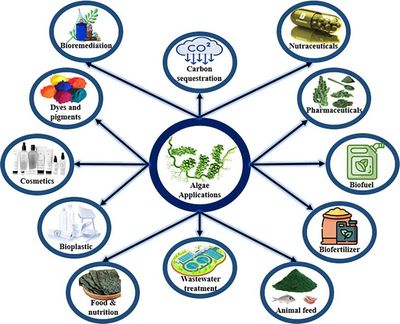
Develop scalable, cost-effective algae photo bioreactors (PBR) to from CO2 to produce algae. Algae delivers nutrition for humans, animals and fish; Algae is an organic source for cosmetics and pharmaceuticals; Algae is a hydro feedstock and organic nutrients for crops.
2008 – PHYCO2 LLC was formed by Greg Hagopian, Managing Member, and Robert (Bob) Morgan, Secretary, as a Delaware LLC. The company’s purpose was to sequester CO2 from power plants through a photosynthetic process with algae. Bob Morgan designed the first helical coil reactor.
2010 – Patent applications were filed and granted in the US and Canada. The company tested a small-scale reactor at Utah State University which showed the potential of the design to grow algae and reduce CO2.
2014 – A Cooperative Research Agreement was signed with Michigan State University to test the PHYCO2 designed reactors and its performance with various algae strains. The company raised capital to fund the construction of two prototype reactors and run an 18-month series of tests at Michigan State University (MSU).
2015 – The prototypes were built and installed at the MSU T.B. Simon Power Plant where they received a slip stream of flue gas from natural gas and coal fueled boilers. Testing of the reactors and their sub-components began in November 2015.
2016 – Testing of the prototypes was completed in late October 2016. The reactor set-up was modified to increase the light intensity on the algae which resulted in much higher algae production and CO2 sequestration rates. The design of scalable reactors for large algae production plants was started with 3D modeling of the reactors and CFD analysis of the fluid circulation in the reactor designs.
2017 – We received a 3-year DOE grant with Michigan State University for CO2 sequestration from coal fueled power plants. PHYCO2 provided algae from its reactors for research into its use as a chemical feedstock.
2018 – MSU project started, helical coil reactor in service starting January 2018. New design entered service on June 2018.
2019 – New scalable PBR tested and quickly grew algae.
2020 – Original PBR design operated continuously and producing algae for 33 months as part of the DOE project.
2021 – Final DOE report completed along with a Ph.D. thesis which was published by Elsevier as a technical paper. Joint venture formed with ABI Energy, LLC to pursue commercializing the PHYCO2 Technology to reduce CO2 emissions from industrial combustion operations in the oil field, power plants, and process heat markets.
2023 – To present PHYCO2 equipment installed on an oil lease in California as part of a validation project. Patents filed and granted.


Gregory A. Hagopian, Managing Director
Bruce Tatarian, Secretary
William B. Clary, Treasurer
Mr. Regis Dahl
Mr. Lee-Volker Cox